

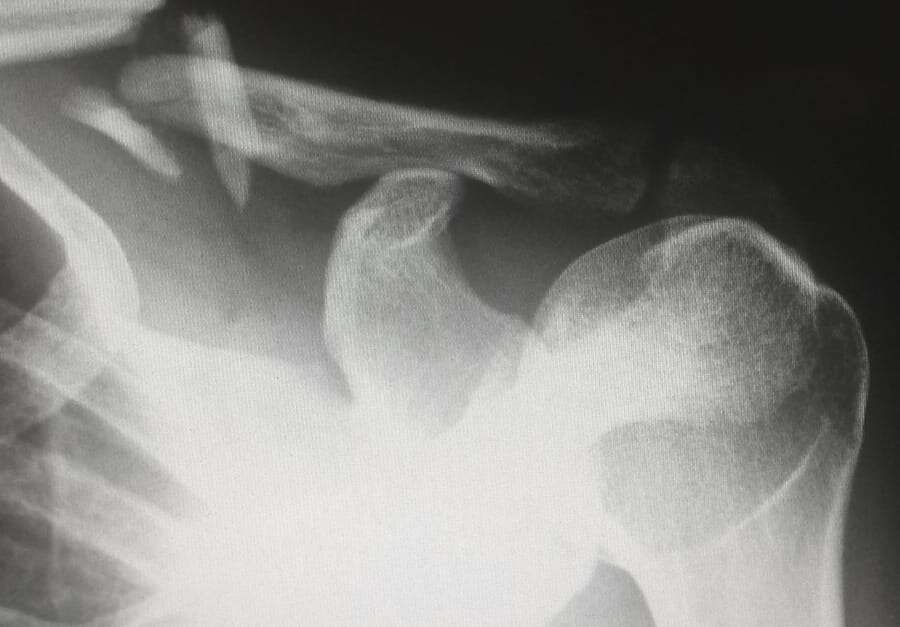
Fracturas por estrés comunes del pie

Las fracturas por estrés, una lesión que puede pasar desapercibida hasta que se manifiesta como dolor persistente, son particularmente comunes en los huesos del pie. Desde la perspectiva ortopédica, estas fracturas representan una respuesta del cuerpo a la acumulación repetitiva de fuerzas sobre un hueso específico, superando su capacidad de reparación natural. En el pie, varias áreas son especialmente propensas a estas fracturas, cada una con sus características y consideraciones únicas.

1. Fractura por Estrés del Metatarso:

  • El metatarso, los huesos largos que conectan los dedos con el mediopié, es propenso a fracturas por estrés debido a la carga repetitiva. Corredores y bailarines son especialmente susceptibles a estas lesiones. El dolor en la parte frontal del pie, a menudo exacerbado con la actividad, es un signo revelador.

2. Fractura por Estrés del Calcáneo:

  • El calcáneo, o hueso del talón, puede experimentar fracturas por estrés, especialmente en atletas que participan en actividades que involucran saltos repetitivos. El dolor en el talón, a veces acompañado de inflamación, puede dificultar la marcha y actividades diarias.

3. Fractura por Estrés del Navicular:

  • El hueso navicular, ubicado en la parte superior del mediopié, es vulnerable a fracturas por estrés, especialmente en deportes que implican movimientos laterales como el baloncesto. El dolor en el arco del pie y la dificultad para soportar peso son síntomas comunes.

4. Fractura por Estrés del Quinto Metatarsiano:

  • Ubicado en la parte externa del pie, el quinto metatarsiano es propenso a fracturas por estrés, especialmente en la “zona de Jones”. Estas fracturas pueden resultar de una combinación de carga repetitiva y torsión. El dolor en el lateral del pie y la incapacidad para apoyar completamente el peso son indicadores.

Diagnóstico y Tratamiento: El diagnóstico temprano es crucial para prevenir complicaciones a largo plazo. La evaluación clínica, la historia médica y las pruebas de imagen, como radiografías y resonancias magnéticas, son herramientas utilizadas por ortopedistas para confirmar la presencia de fracturas por estrés.

El tratamiento varía según la gravedad de la fractura, pero puede incluir:

  • Reposo y restricción de actividad.
  • Inmovilización con férulas o botas ortopédicas.
  • Terapia física para fortalecer músculos y mejorar la biomecánica.
  • En casos graves, cirugía puede ser considerada.

Prevención y Recuperación: La prevención se centra en la progresión gradual de la actividad física, el uso de calzado adecuado y la atención a las señales de dolor. La recuperación implica seguir las recomendaciones del ortopedista, adherirse a los planes de rehabilitación y realizar modificaciones en el estilo de vida para prevenir recurrencias.

En resumen, las fracturas por estrés en el pie son una realidad para aquellos que participan en actividades físicas repetitivas. Desde la perspectiva ortopédica, la comprensión de las áreas propensas y la adopción de medidas preventivas son clave para mitigar el riesgo y promover una recuperación efectiva cuando estas lesiones ocurren.

Agregue su Comentario

Common stress fractures of the foot

Stress fractures, an injury that can go unnoticed until it manifests as persistent pain, are particularly common in the bones of the foot. From an orthopedic perspective, these fractures represent the body’s response to the repetitive accumulation of forces on a specific bone, exceeding its natural repair capacity. In the foot, several areas are especially prone to these fractures, each with their unique characteristics and considerations.

1. Metatarsal Stress Fracture:

  • The metatarsals, the long bones that connect the toes to the midfoot, are prone to stress fractures due to repetitive loading. Runners and dancers are especially susceptible to these injuries. Pain in the front of the foot, often exacerbated by activity, is a telltale sign.

2. Calcaneus Stress Fracture:

  • The calcaneus, or heel bone, can experience stress fractures, especially in athletes who participate in activities that involve repetitive jumping. Heel pain, sometimes accompanied by inflammation, can make walking and daily activities difficult.

3. Navicular Stress Fracture:

  • The navicular bone, located at the top of the midfoot, is vulnerable to stress fractures, especially in sports that involve lateral movement such as basketball. Pain in the arch of the foot and difficulty bearing weight are common symptoms.

4. Stress Fracture of the Fifth Metatarsal:

  • Located on the outside of the foot, the fifth metatarsal is prone to stress fractures, especially in the “Jones zone.” These fractures can result from a combination of repetitive loading and twisting. Pain on the side of the foot and the inability to fully bear weight are indicators.

Diagnosis and Treatment: Early diagnosis is crucial to prevent long-term complications. Clinical evaluation, medical history, and imaging tests, such as x-rays and MRIs, are tools used by orthopedists to confirm the presence of stress fractures.

Treatment varies depending on the severity of the fracture, but may include:

  • Rest and activity restriction.
  • Immobilization with splints or orthopedic boots.
  • Physical therapy to strengthen muscles and improve biomechanics.
  • In severe cases, surgery may be considered.

Prevention and Recovery: Prevention focuses on the gradual progression of physical activity, the use of appropriate footwear and attention to signs of pain. Recovery involves following your orthopedist’s recommendations, adhering to rehabilitation plans, and making lifestyle modifications to prevent recurrences.

In short, stress fractures in the foot are a reality for those who participate in repetitive physical activities. From an orthopedic perspective, understanding prone areas and taking preventive measures are key to mitigating risk and promoting effective recovery when these injuries occur.

Agregue su Comentario

Dirección

Km 144 carretera Tepic - Puerto Vallarta #8, Col. Flamingos, Bucerias, Nayarit. CP 63732. Loc. 6
Tel:
329 298 9515
Tel. & WhatsApp:
322 180 2148
Correo:
sportfixclinic@gmail.com
Horario:
Lun-Vie: 8am-8pm,
Sab: 8am-1pm,
Dom: Cerrado

cards1

SPORT FIX CLINIC © 2026. Powered by Graphic Illusion